
Family law · 3 min
Who keeps the family pet after separation? A new BC appeal offers guidance
A dispute over a cat explains the difference between a voluntary sharing agreement and what a BC court can order when separating spouses cannot agree.
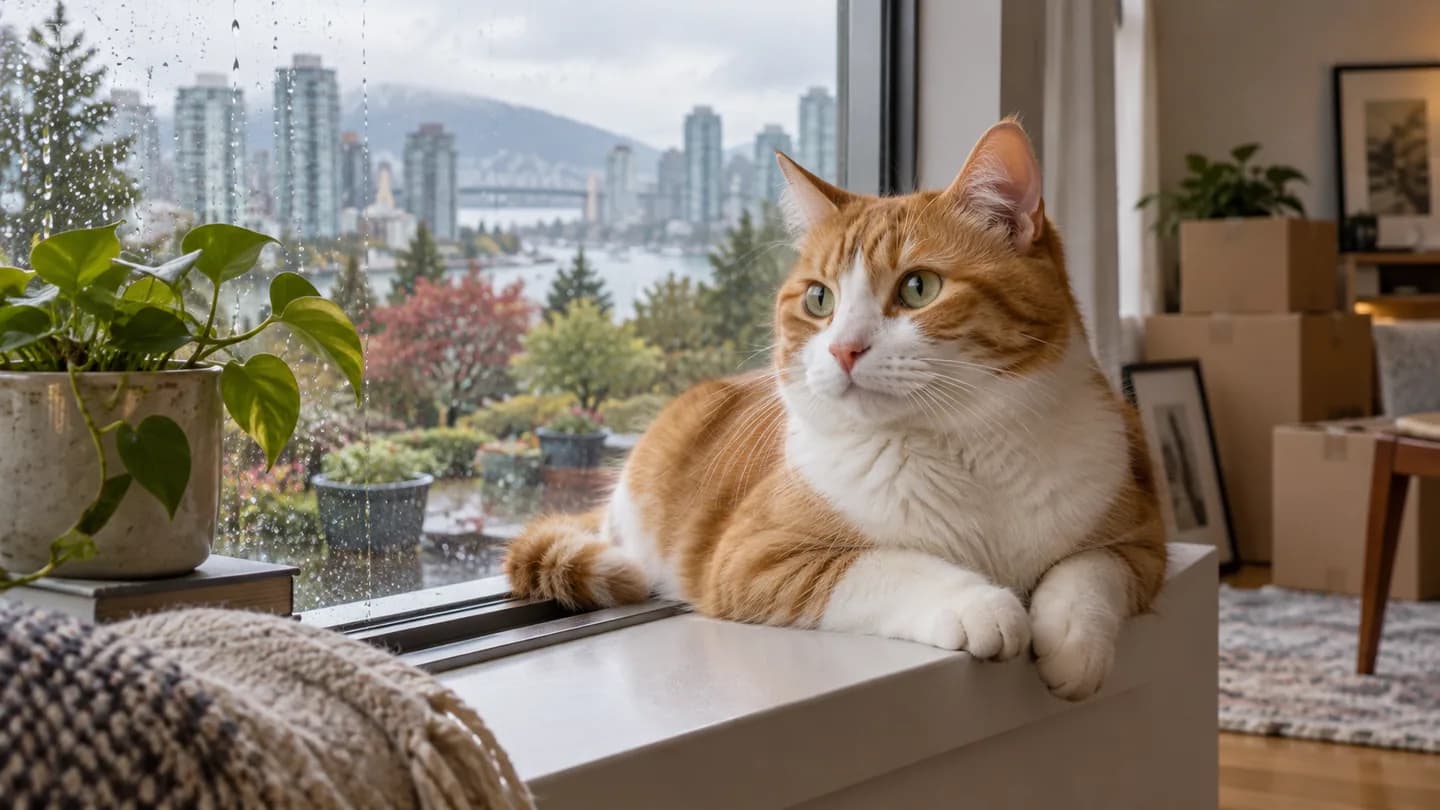
For many separating couples, a pet is part of the family. That emotional reality does not mean the court can create a parenting-style schedule for an animal. British Columbia’s Family Law Act gives the court a specific ownership framework, distinct from the law governing children.
Myers v Maundrell, 2026 BCSC 1959, concerned a cat called Toddward. The Supreme Court of British Columbia dismissed an appeal from a Provincial Court order awarding sole ownership to one former partner.
How the dispute reached court
The parties adopted Toddward during a marriage-like relationship. After separating, they tried to share time with the cat, but that arrangement broke down. Unable to agree, they asked the Provincial Court to determine ownership.
The trial judge explained that the parties could make their own agreement, but the court could not order joint ownership or shared possession under the legislation. After considering the evidence, the judge awarded sole ownership to Mr. Maundrell. Ms. Myers appealed.
Which considerations mattered
Section 97(4.1) requires consideration of matters including how the animal was acquired, each spouse’s care, family violence and its risks, cruelty, children’s relationships with the animal, and each spouse’s willingness and ability to meet its basic needs. The court may also consider other relevant circumstances.
The trial judge found many of the listed factors did not favour either party. The decision therefore turned on additional findings: the cat had been left with the respondent without a return date; the ownership paperwork had been altered; and a missing-animal designation created a risk of interfering with veterinary care.
Those were findings on the particular evidence—not a checklist that determines every pet dispute. The appellate court concluded that the record could support them.
Why the appeal failed
An appeal is not simply another opportunity to ask a different judge to prefer your version of events. The challenged factual findings required a palpable and overriding error: an identifiable error serious enough to affect the result.
The Supreme Court found no such error. It also rejected the argument that the trial judge’s reasons were inadequate. Although brief, the reasons explained the governing framework, the findings and why ownership was awarded as it was.
The case applies existing companion-animal legislation; it does not introduce a new pet-custody regime. It also does not treat the animal’s best interests as though they were the statutory best interests of a child.
Practical steps for separating couples
- Preserve adoption documents, veterinary records, receipts and communications about care.
- Keep registration and microchip information accurate; do not alter records to create an ownership advantage.
- Consider whether a clear, workable voluntary agreement is realistic.
- Obtain advice about the remedies the court can actually grant before starting an application or appeal.
A sharing arrangement that works by agreement may not be an arrangement the court can impose. Understanding that difference can help parties assess settlement options more realistically.
The takeaway
The strongest presentation is evidence-based and directed to the statutory factors, rather than a contest over who loves the pet more. Sinclair Centre Law LLP advises on separation agreements and family disputes in British Columbia. Contact us to discuss the animal-related issue alongside the other arrangements arising from your separation.
Sources and next steps
Sinclair Centre Law
Start with an initial conversation.
Tell us the general nature of your matter and any immediate deadline. Please do not send confidential documents until the firm confirms it can act.